Collagen in skincare: what it can — and can’t — do
Collagen creams are a Korean classic. Here is an honest look at how topical collagen works, and what actually protects your skin’s own collagen.
Collagen is the most abundant protein in our skin, and it naturally declines with age. So it is no surprise that collagen has been one of the most popular words in skincare for decades — especially in Korea, where bouncy, cushiony creams are a classic.
But what does collagen in a jar actually do?
What topical collagen does
Collagen molecules in skincare are large. Rather than rebuilding your skin’s collagen, they work at the surface: they attract and hold water and form a light, flexible film. The result is skin that feels softer and smoother and looks plumper and more hydrated.
Hydrolyzed collagen has been broken into smaller pieces. It tends to feel lighter and blends easily into serums and essences.
What it doesn’t do
Applying collagen does not replace the collagen your skin produces. Be wary of any product that promises to “add collagen” to your skin.
The supporting cast
Collagen products often work alongside other ingredients:
- Niacinamide helps improve the look of uneven tone and supports the skin barrier.
- Peptides play a range of roles in cosmetics, including supporting the look of firmer skin.
- Hydrolyzed elastin is a conditioning ingredient that leaves skin feeling supple.
What actually protects your collagen
The single most effective habit is daily sunscreen. UV exposure is a major cause of collagen breakdown, which is why dermatologists recommend broad-spectrum SPF every day.
Choosing a collagen product
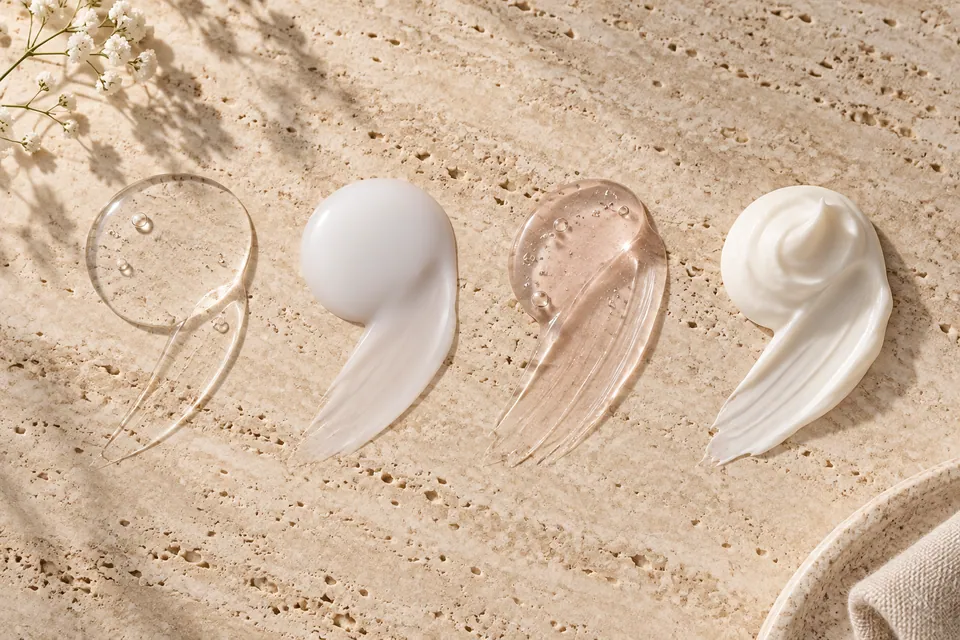
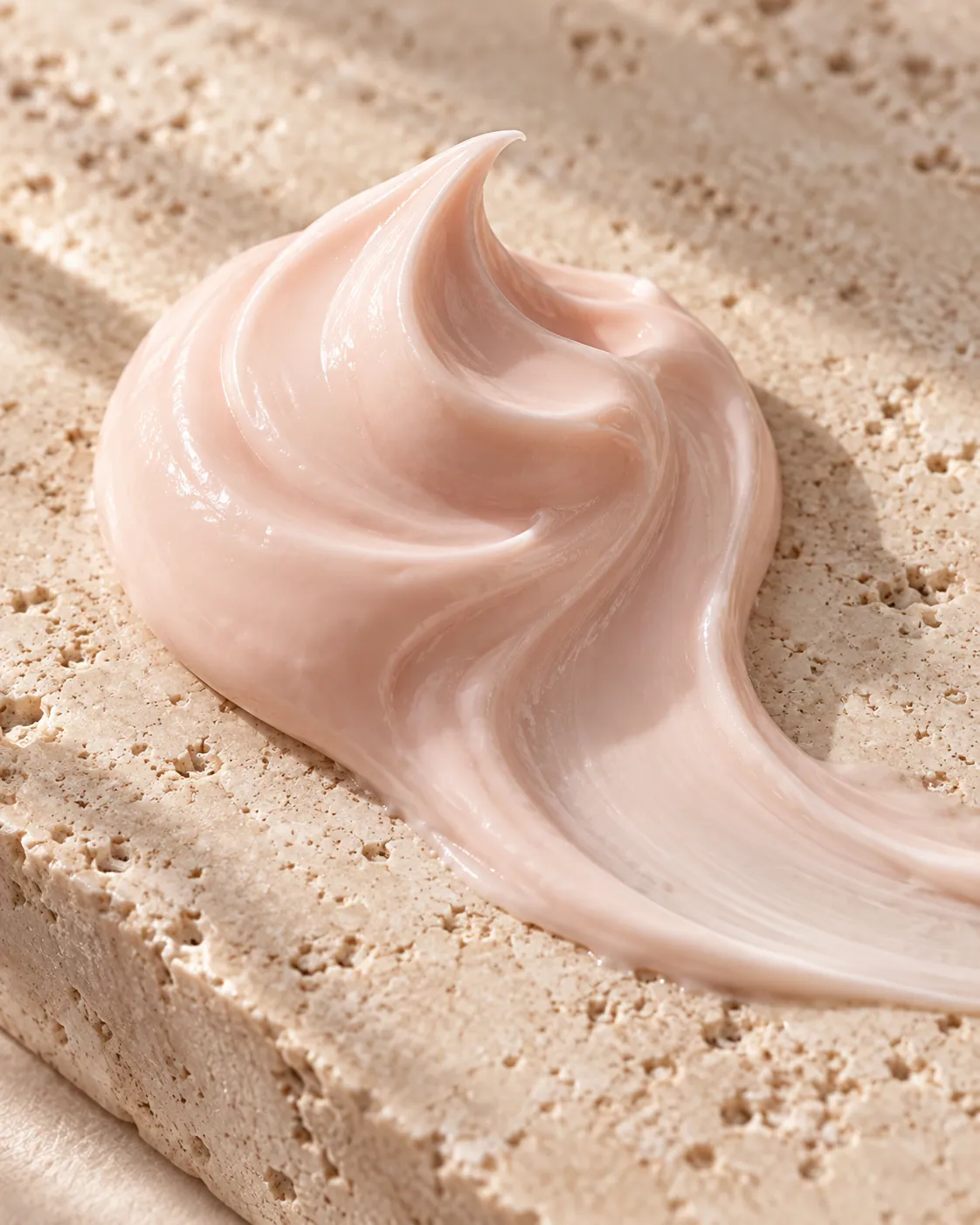
Pay attention to texture (gel-cream or rich cream), the supporting ingredients, fragrance if your skin is sensitive, and where it sits in your routine. Collagen creams belong at the end, sealing in lighter layers.
In the VANVIOR edit
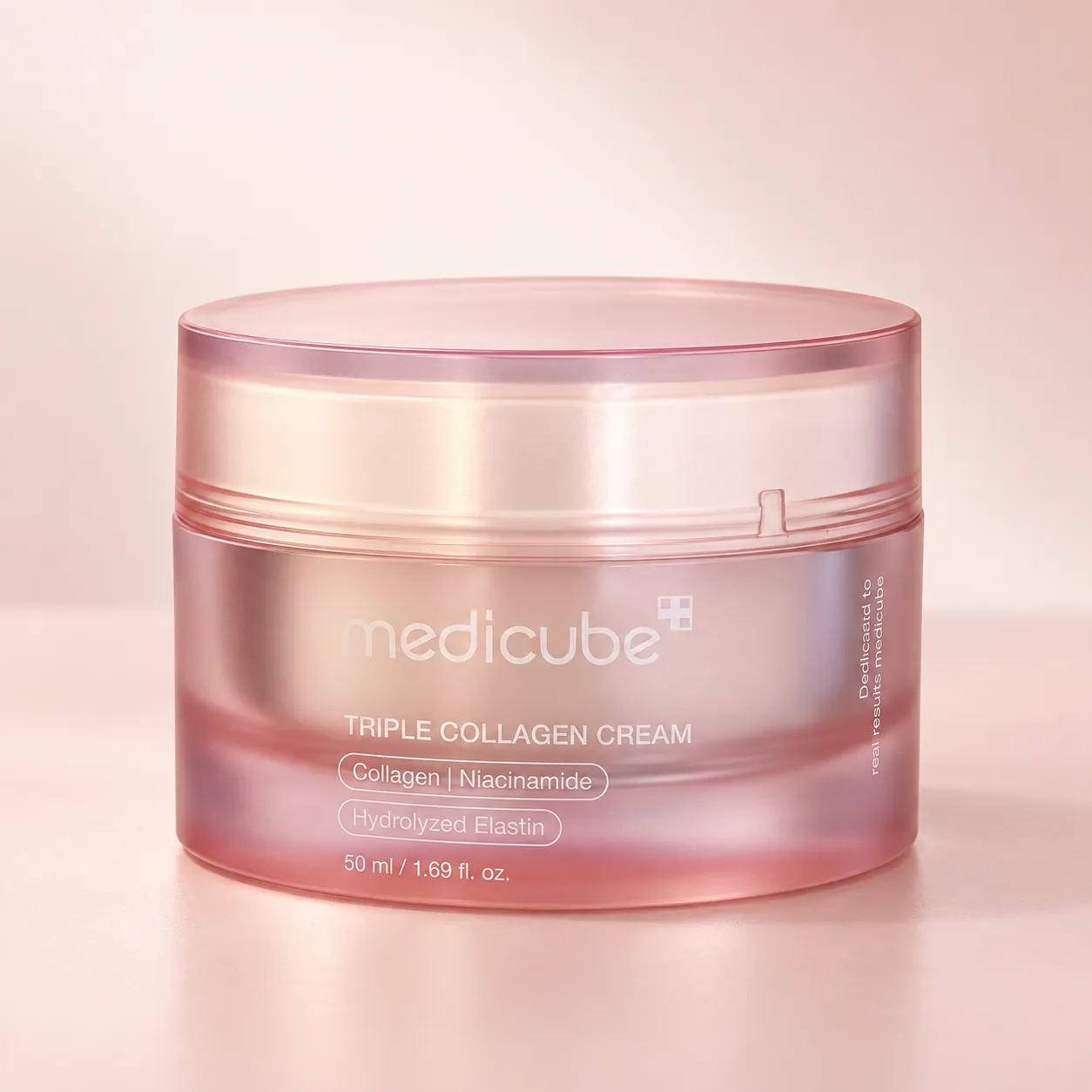
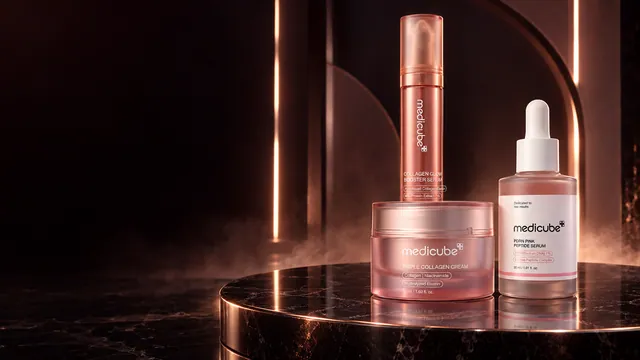
- Triple Collagen Cream: collagen, niacinamide and hydrolyzed elastin, according to its front label.
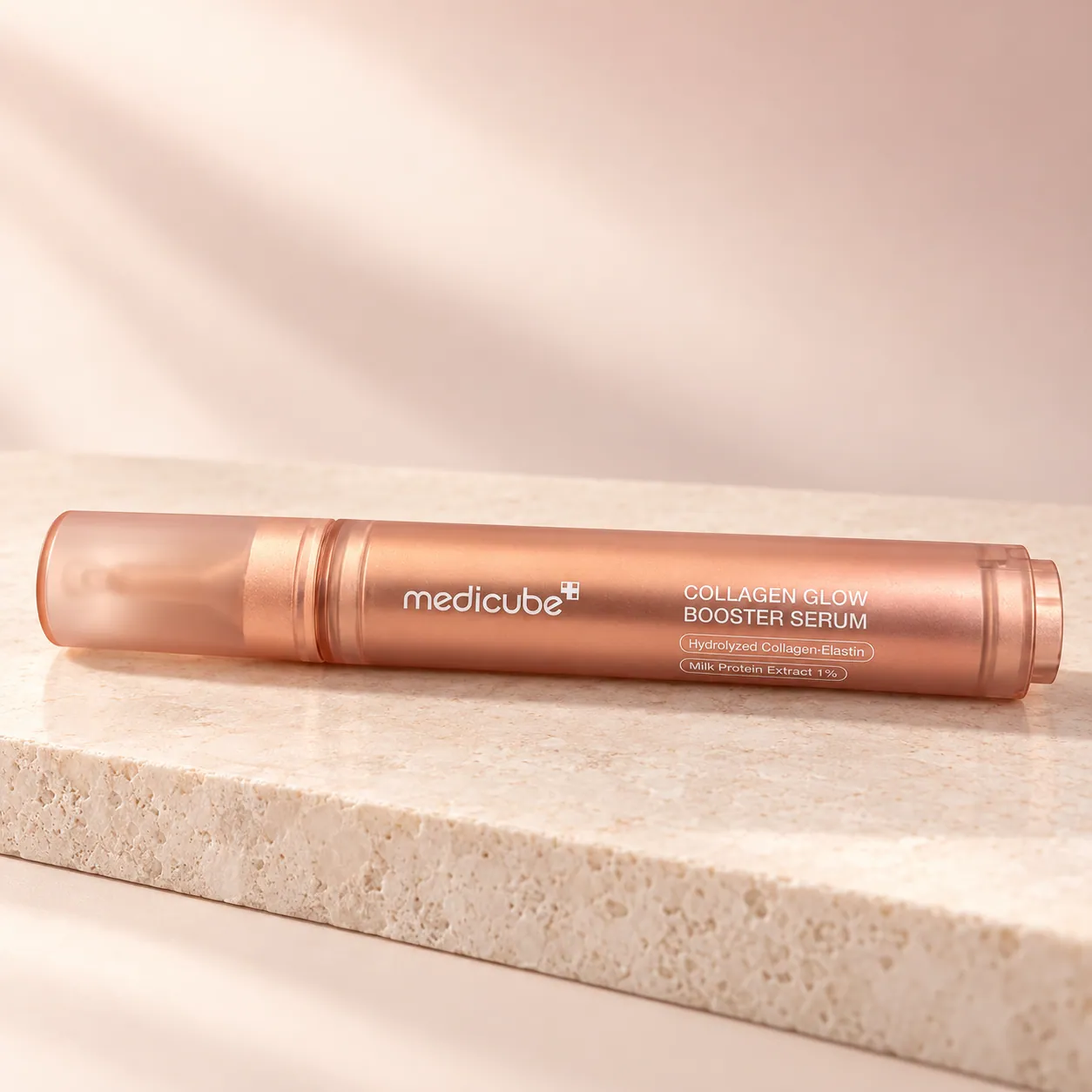
- Collagen Glow Booster Serum: hydrolyzed collagen and elastin with milk protein extract 1%, according to its front label.
This article is general information about cosmetic ingredients, not medical advice.