PDRN, explained: the clinic ingredient Korea brought home
Why a salmon-derived ingredient became one of the most talked-about words in Korean skincare — and what it can realistically do in a serum.
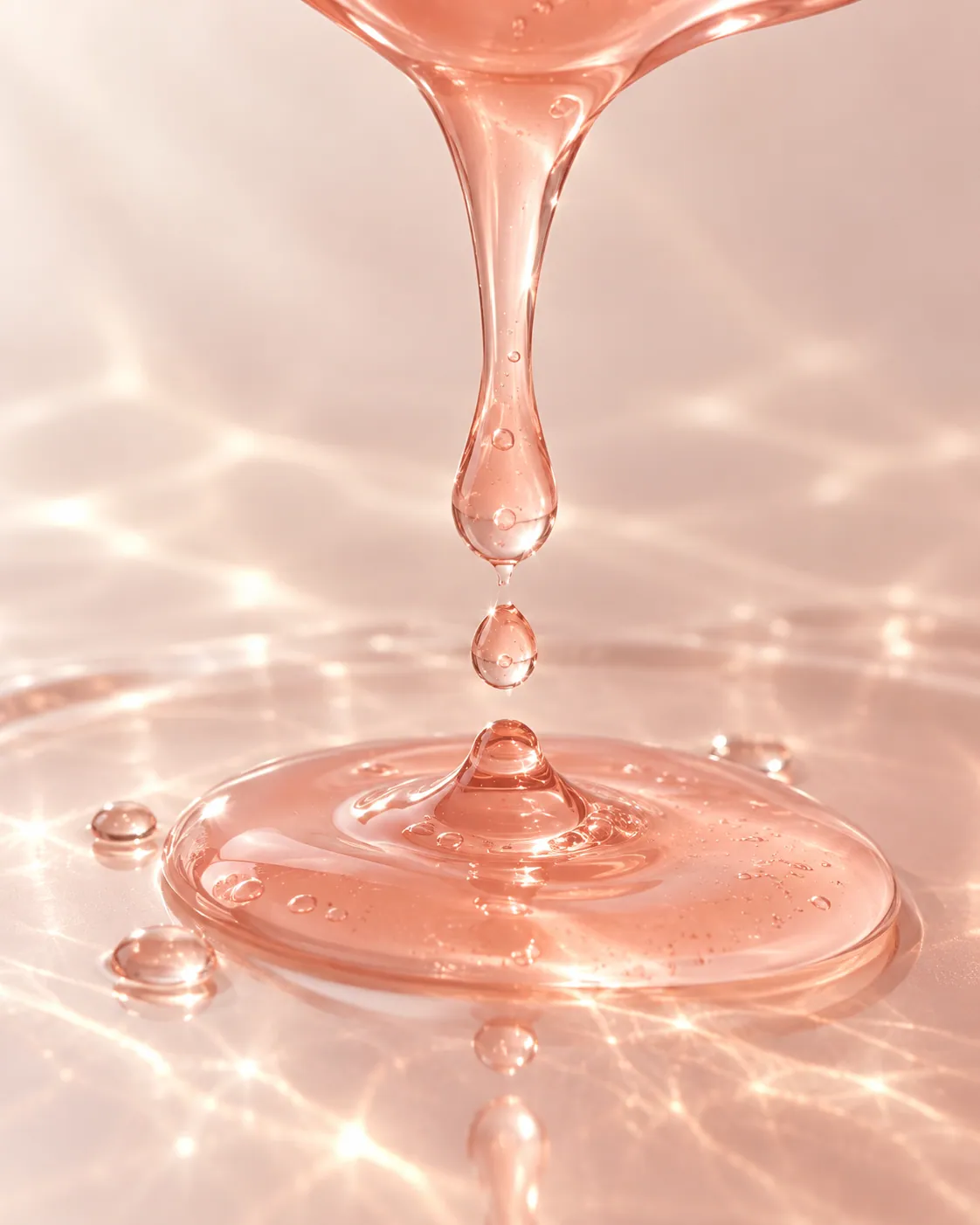
If you have spent any time around Korean skincare lately, you have probably seen four letters everywhere: PDRN. It shows up on serums, ampoules, pads and creams, usually next to the word salmon. Here is what it actually is.
What PDRN is
PDRN stands for polydeoxyribonucleotide: fragments of DNA, most commonly purified from salmon. On a cosmetic ingredient list it is often written as Sodium DNA.
In skincare, PDRN is used as a skin-conditioning ingredient. Formulas built around it aim to leave skin feeling hydrated, smooth and supple.
From the clinic to the cabinet
PDRN became famous in Korea through dermatology clinics, where DNA-derived ingredients are used in professional “skin booster” treatments. That reputation is a big part of why topical PDRN took off.
It is worth being clear about the difference. A serum works on the surface of the skin. It is not the same as an in-clinic procedure, and it should not be expected to deliver the same thing.
How to read a PDRN label
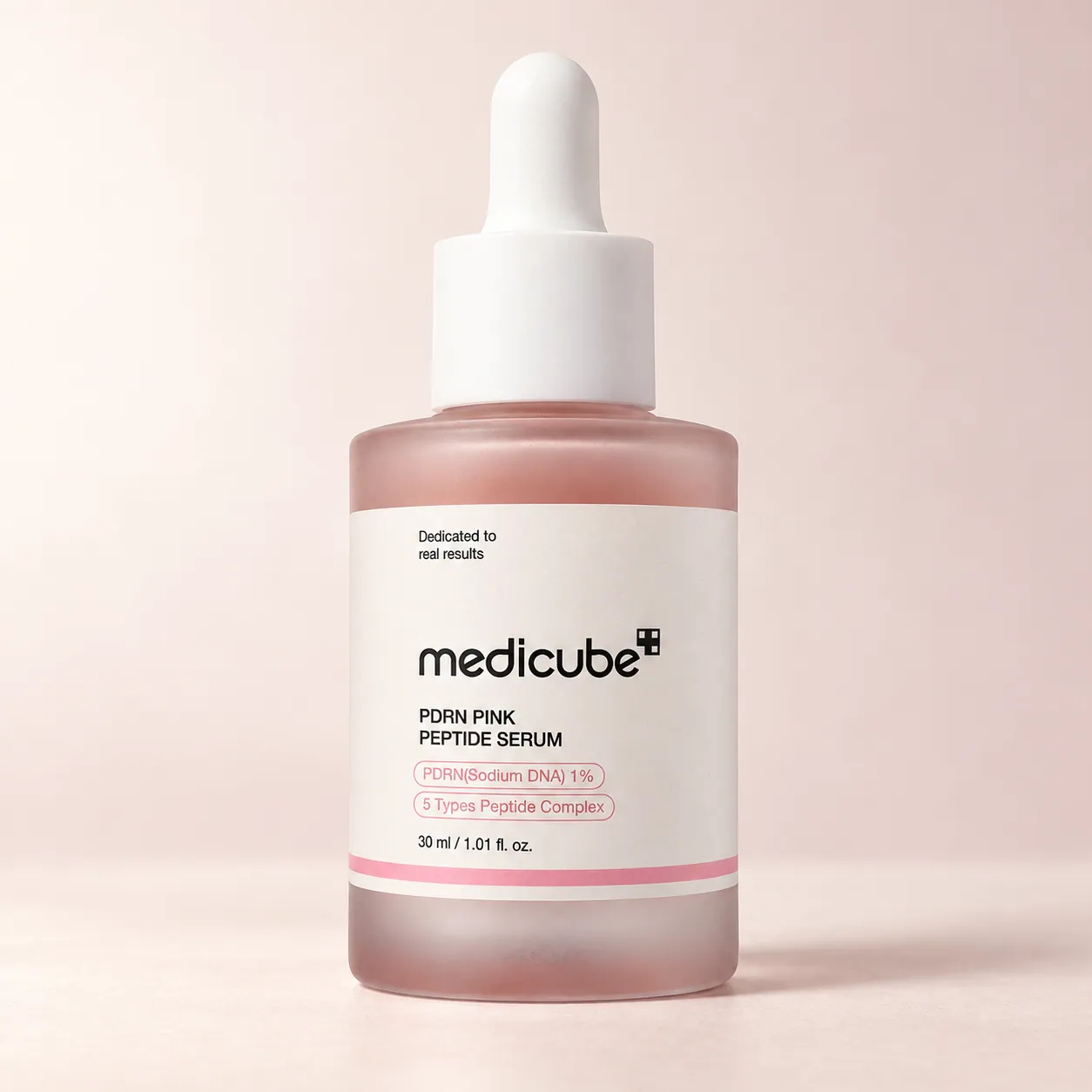
- Look for the percentage. Some brands state it on the front of the pack. The serum in our Launch Edit lists PDRN (Sodium DNA) at 1%.
- Check the supporting cast. PDRN is often paired with peptides, hyaluronic acid or niacinamide.
- Read the full ingredient list on the box, especially if your skin is sensitive.
How to use it
PDRN serums slot into the treatment step of a routine: after toner, before moisturizer. Introduce one new product at a time, patch-test first, and wear sunscreen every morning — the simplest way to protect whatever else your routine is doing.
In the VANVIOR edit
The Medicube PDRN Pink Peptide Serum pairs 1% PDRN with a five-peptide complex, according to its front label. It is the first product in our Launch Edit.
This article is general information about cosmetic ingredients, not medical advice.